How to Choose Foldable Trolley Wheels for Pavement, Grass, and Gravel
November 2, 2026 - Folding trolley

Most people never think about their foldable trolley wheels until the day it happens: halfway across the lawn, or bumping over a gravel driveway, the cart suddenly feels like hard work. Wheels get overlooked in the shop, but they’re the biggest factor in whether a foldable trolley earns its keep at home.
Choosing the best wheels for foldable trolleys isn’t complicated once you know what your ground needs. Pavement, grass, and gravel each demand something different, and matching the two separates a trolley that glides from one that fights you.
Key points
- Match your wheel type to the surface you use most, not the one you use occasionally
- Hard, narrow wheels suit pavement and indoor floors, not soft ground
- Wider, softer wheels handle grass and gravel far better
- Dragging, rattling, or uneven wear are signs your wheels don’t suit your terrain
- Regular care keeps wheels rolling smoothly across every surface
Match Your Wheel Type to the Ground You Cover Most
Every surface pushes back on a wheel differently, so work out which one you cross most.
Pavement, Shop Floors and Car Parks
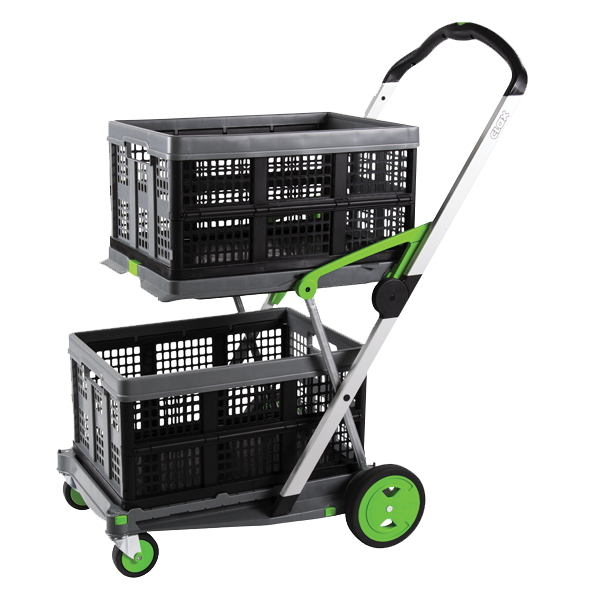
Smooth, hard surfaces reward firm wheels. Solid rubber or hard-wearing plastic wheels roll with little resistance and hold their shape under load, without wearing down over months on concrete or bitumen. If most of your trips are footpaths, sealed market floors, or car to kitchen, this setup feels easiest. The foldable trolley range is built with this kind of ground in mind
Grass and Lawns
Grass is softer and less even than it looks, and a narrow, hard wheel digs in rather than rolling over it. A wider footprint spreads the trolley’s weight so it sits on top of the grass instead of sinking through it. If you’re regularly crossing a lawn or a park, look for wheels with more width, and some give in the rubber.

Gravel and Loose Ground
Gravel is trickiest because it moves under the wheel instead of staying still. A wheel with some cushioning, whether a softer rubber compound or a bit of tread, absorbs small bumps and settles into loose ground instead of skidding across it. Driveways, garden paths, and loose market grounds all fall into this category.
Why Wheel Width Matters as Much as the Material
It’s easy to focus on what a wheel is made of, but width matters just as much. A narrow wheel concentrates your trolley’s weight onto a small patch of ground, which is what makes it dig into grass or slip on gravel. A wider wheel spreads that weight further, so there’s less pressure on any single point and less chance of getting stuck. A wheel built for pavement can feel different in your backyard: the material might be fine, but a narrow wheel was never made for soft ground.
Signs Your Current Wheels Don’t Suit Your Terrain
You don’t need to be a wheel expert to notice something isn’t working:
- Dragging or catching on grass instead of rolling smoothly
- Rattling or feeling unstable on gravel
- Wearing flat or unevenly on one side after regular pavement use
- Needing to lift or tilt the trolley over rough patches
- Feeling noticeably heavier to push once you leave smooth ground
If any of that sounds familiar, it’s less about the trolley being faulty and more about the wheels not matching where you use it. The foldable trolley range is worth checking against your usual ground.
Keeping Your Wheels Rolling Smoothly Across Surfaces
A bit of regular care goes a long way. After wet grass or a rainy driveway, let the wheels dry before folding the trolley away, since damp wheels pick up grit more easily. Check the tread now and then for small stones before they wear a flat spot into the rubber. Clax Cart wheels are also removable, so a wheel that wears faster can be replaced on its own.
Getting the wheels right is the last piece of the puzzle once your trolley already suits your load and storage space.
If you’re still weighing up options, browse the full foldable trolley range to find the setup that suits your ground.

Frequently Asked Questions
1. What are the best wheels for a foldable trolley used on multiple surfaces?
A wheel with some width and a bit of give in the rubber. It’s not as effortless on pavement as a hard wheel, but it copes far better with soft or loose ground.
2. Do wider wheels really make a difference on grass?
Yes. Spreading the weight over more surface area stops a wheel sinking into soft grass the way a narrow one would.
3. How do I know if my foldable trolley wheels aren’t suited to my ground?
Dragging on grass, rattling on gravel, or uneven wear after regular pavement use are the main signs. If pushing feels harder than it should, the wheels are usually why.
4. Can foldable trolley wheels be replaced if they wear out?
Yes. On the Clax Cart, the wheels are removable, so a worn wheel can be swapped out on its own.
5. Does the Clax Cart come with wheels suited to different surfaces?
It’s fitted with hard-wearing wheels built for pavement, shop floors, and car parks, and they’re removable if your needs change.