How to Choose the Right Foldable Cart for Trade, Retail and Everyday Use
May 12, 2026 - Folding trolley
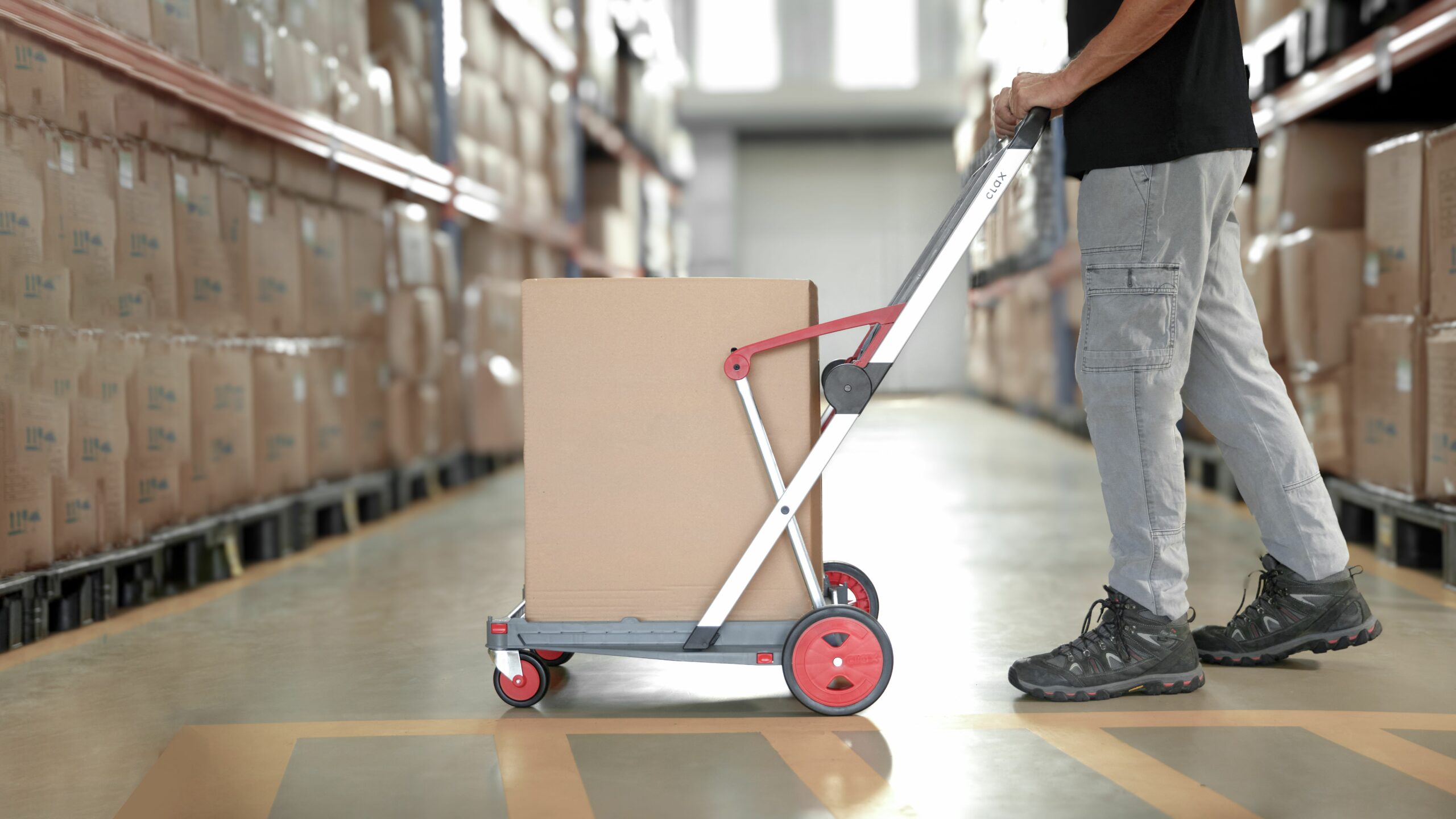
Choosing a foldable cart sounds simple until you start thinking about where it will actually be used. A cart that feels fine for a weekly grocery run may not suit a service van. One that works well in a stockroom may feel bulky in a small office or awkward in an apartment hallway. That is why the best buying decision starts with the job, not the label.
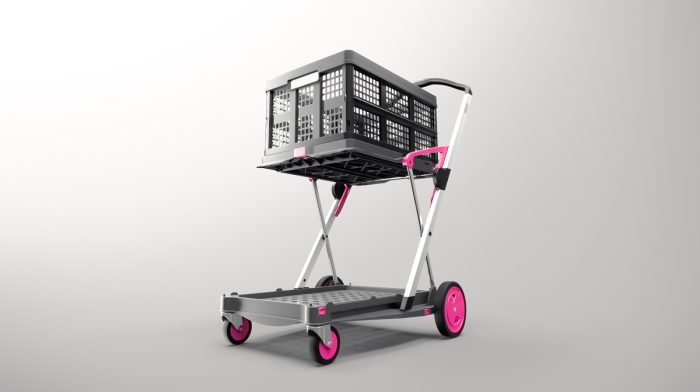
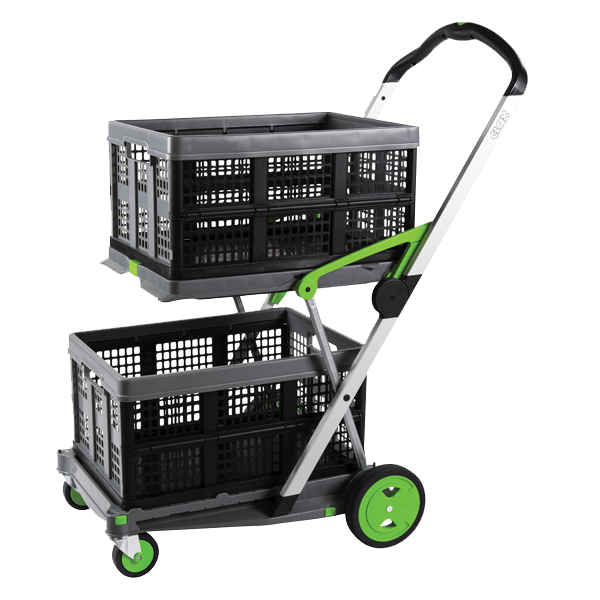
For Australian buyers comparing a foldable cart for trade and retail use, Clax makes a strong case because it is not built around a single task. The core trolley is a German-made cart with separate upper and lower levels that folds flat, opens with a push-button handle, includes a collapsible crate, uses a brake mechanism, and is backed by a 24-month warranty.
Clax also states that it is sold in Australia by the only authorised importer, with access to spare parts and accessories, which matters far more than most buyers expect once the cart becomes part of everyday work. You can see that broader setup across the Clax carts and bundles range.
Key points
- The right trolley should suit the task, the load, the user, and the workspace, according to WorkSafe Victoria.
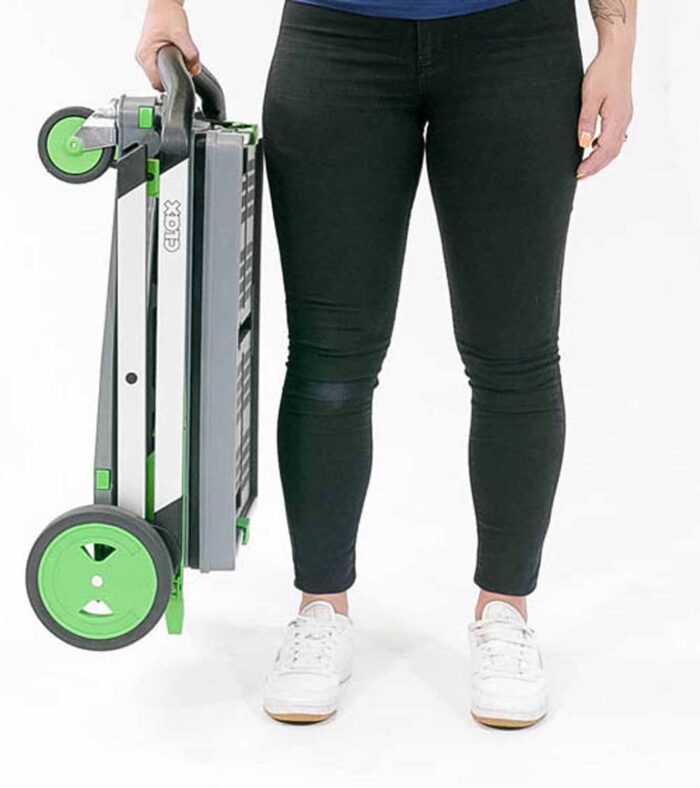
- A fold flat cart is most useful when storage space is limited, especially in cars, service vehicles, stockrooms, and apartments.
- For regular use, weight distribution, wheel control, and stopping stability matter just as much as total capacity.
- Clax is designed with a practical upper and lower level layout, a 60 kg total capacity, 40 kg on the lower platform, 20 kg on the upper level, and folded dimensions of 670 x 470 x 110 mm.
- Long-term value comes from fit-for-purpose design, plus parts availability and local support, not just the purchase price.
Who should buy this kind of cart?
This type of trolley suits three buyer groups especially well.
The first is trade users, people carrying tools, spare parts, job sheets, small equipment, and consumables between vehicles, workshops, and customer sites. The second is retail and workplace users, people moving stock, parcels, files, displays, and supplies from back of house to front of house or between rooms. The third is everyday users, people who want one compact trolley for shopping, markets, apartment living, and family errands.
Clax works across all three because the design is not overly specialised. It is light enough to stay practical, yet structured enough to feel more useful than a soft shopping trolley or a basic platform cart.

What actually matters when you compare foldable carts
Storage is not a small detail
A cart only earns its keep if you are willing to keep it close by. That is why folded size matters so much. In real life, the trolley may need to slide behind a retail counter, sit in the boot of a hatchback, tuck into a cupboard, or ride in the back of a service vehicle between jobs. A shopping trolley that folds flat is usually used more often because it is easier to live with.
Capacity is about control, not just numbers
A bigger weight rating looks good on paper, but a good cart should also help you place weight sensibly. WorkSafe Victoria advises that trolley selection should match the materials being loaded, the workspace, and the person using it, and it also recommends keeping heavier items lower for better handling. That is one reason a split-level design works so well. Tools, bottled items, or denser stock can sit low, while paperwork, lighter goods, or items you need quickly can sit higher.
Wheels and braking shape the day-to-day experience
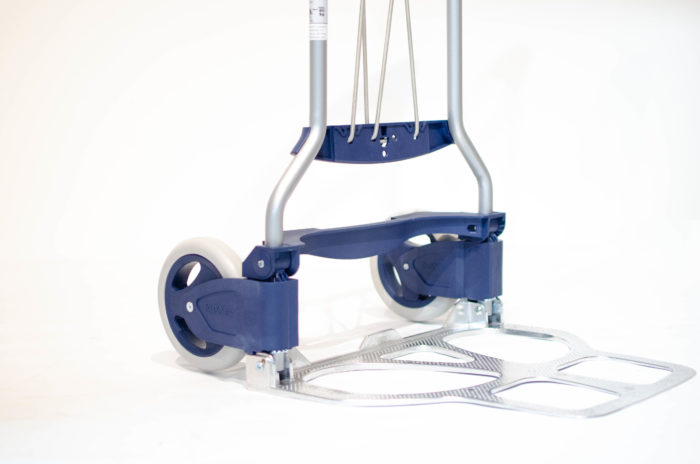
Buyers often focus on frame strength first, but steering and stopping are what you notice every day. WorkSafe Victoria notes that wheel design, floor surface, turning force, and stopping force all affect how much effort a trolley takes to use. In a retail setting, that can mean tighter turns around displays. In trade work, it can mean loading and unloading without the cart drifting. In everyday use, it simply means the trolley feels settled rather than fiddly.
Set up speed matters more than you think
A compact folding trolley should not feel like another task. If you are unpacking for a market, moving items from the car into the office, or doing a quick grocery stop, you want the trolley open and ready in seconds. Clax leans into that practical point with its push-button folding handle and simple fold-flat design.
Support after purchase is part of the buying decision
This is where experienced buyers think differently from first-time buyers. If a trolley will be used every week, small wear points matter. WorkSafe Victoria recommends regular inspection and maintenance, and damaged trolleys should be repaired or removed from use. That makes parts access and service support a real value point, especially for trade and retail use, where the cart becomes part of the routine rather than an occasional helper.
Best fit for trade use
For trade buyers, the best cart is usually the one that saves repeated lifting without taking over the vehicle. Mechanics, mobile technicians, installers, and maintenance teams often carry a mix of dense and awkward items, tools, fittings, paperwork, and short-use consumables. That layout helps because the load can be organised by weight and frequency of use, rather than stacked wherever it fits.
Clax is also a sensible option for trade buyers who want one trolley that looks tidy when they arrive on site. It does not feel oversized for smaller jobs, yet it is structured enough to move more than a few loose boxes. The availability of spare parts adds another layer of confidence for regular users.
Best fit for retail and workplace use
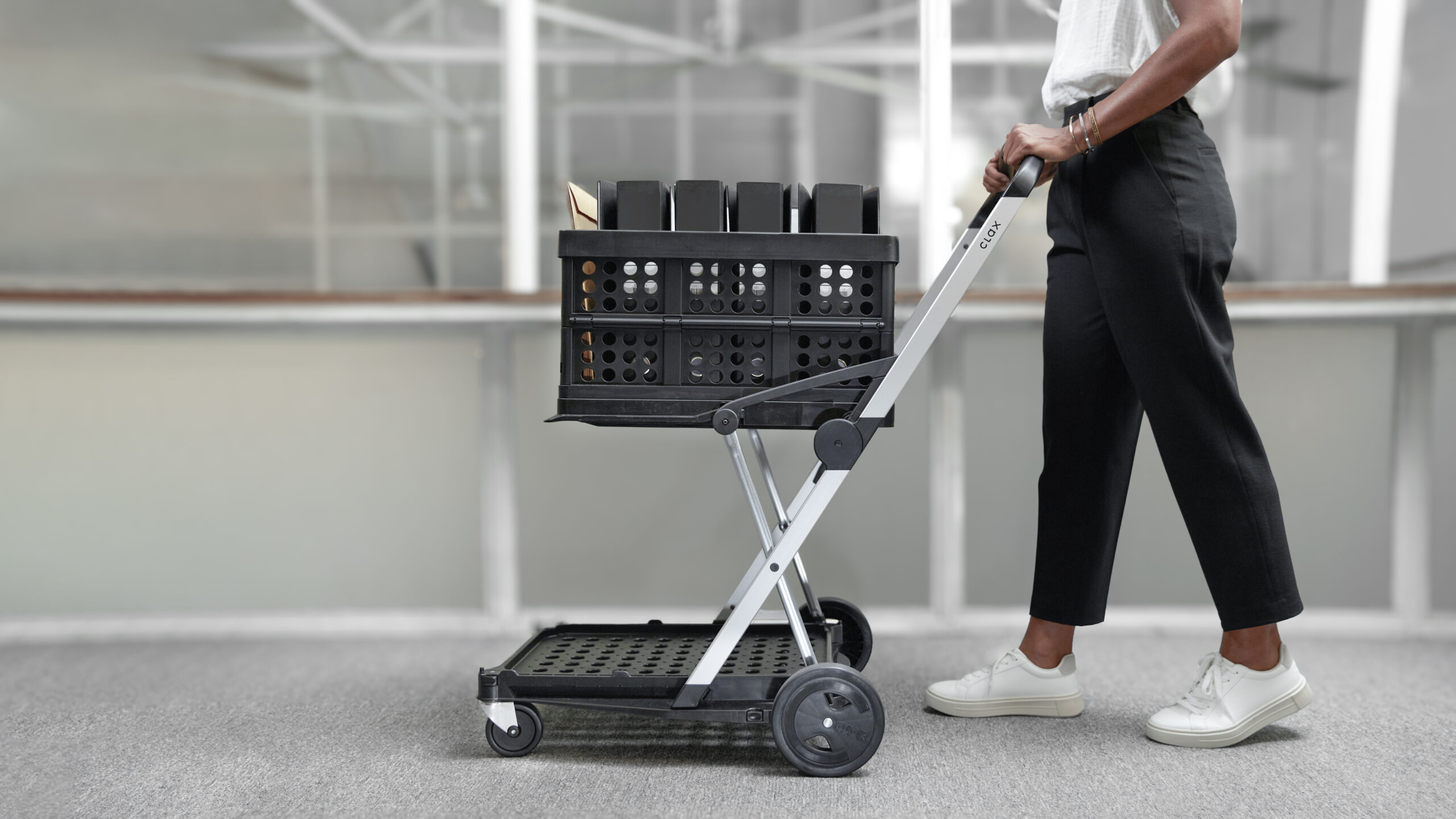
Retail and office buyers usually need something more polished than an industrial trolley and more capable than a simple shopping cart. Moving boxed stock, paperwork, event materials, or shared equipment often involves narrow aisles, customer-facing spaces, and frequent short trips. In those settings, neat storage, quick setup, and controlled movement matter a lot.
This is where Clax has a nice advantage. It feels like a work tool, but not a heavy warehouse tool. That makes it easier to use in boutiques, reception areas, schools, clinics, and offices where presentation still matters.
Best fit for everyday use
At home, convenience decides whether a trolley gets used or forgotten. A foldable shopping cart Australia buyers keep in the car or garage is far more useful than one that is too awkward to store. Grocery trips, markets, apartment lifts, and general errands all reward a cart that opens quickly, stays stable, and folds away without fuss.
The same design features that help at work, compact storage, sensible load split, and a reliable frame, also make a big difference for everyday use.
Why Clax makes sense as a long-term buy
A lot of foldable carts are sold as convenience items. Clax feels closer to a long-term transport tool. The difference is not just the fold flat frame. It is the full ownership picture, German-made construction, an included crate, accessory options, spare parts, warranty cover, and local authorised distribution in Australia.
That combination matters because buyers rarely stay in one use case forever. The same cart might start as a shopping trolley, then become an office helper, then move into market use or light commercial work. A trolley that can adapt over time usually gives better value than one built for a narrow purpose.
Ready to find the right setup?
Whether you need a cart for tools, stock, supplies, groceries, or everyday errands, the right choice comes down to how you use it day after day. Clax is designed to give you compact storage, practical carrying capacity, and the flexibility to move between work and daily life without needing a different trolley for every task.
If you want a foldable cart that is easy to store, simple to use, and backed by local parts and support, explore the full Clax range and choose the setup that suits your routine.
Frequently Asked Questions
1. What should I look for in a foldable cart for trade and retail use?
Start with the basics: storage size, load rating, wheel control, and how easy the cart is to open and stop. WorkSafe Victoria recommends choosing a trolley that suits the task, the materials, the user, and the workspace, which is a practical way to compare options.
2. Is a split-level trolley better than a single-platform trolley?
For mixed loads, often yes. A split-level design gives you a better way to separate heavier items from lighter or more frequently used items, and WorkSafe Victoria guidance supports keeping heavier items lower to improve control.
3. How much weight should a foldable trolley carry?
The right answer depends on what you move most often, not just the heaviest load you might move once. Safe Work Australia explains that pushing and pulling tasks can become hazardous when force, awkward posture, and repetition build up, so the cart should make regular handling easier, not just possible.
4. Is a foldable cart worth buying for everyday errands?
Yes, when storage is limited, and you want to avoid multiple trips. A cart that folds flat and stays easy to lift in and out of the car tends to become part of your normal routine rather than something you only use once in a while.
5. Why do spare parts and service support matter?
Because regular use exposes the parts you rely on most, wheels, brakes, handles, and folding points. WorkSafe Victoria notes that damaged trolleys should be repaired or removed from service, so access to support can protect both convenience and lifespan.